Role: User Interface Design
Scope: Web
Time Line: 6 months
I took on the role of UI/UX designer for a startup e-commerce platform. I worked directly with the CEO, CTO and Copywriter to develop their vision of a platform that supports local businesses and allows them to compete in an increasingly digital marketplace. I was brought in to design the interface and provide user friendly solutions for shoppers and vendors alike.
I joined the team to adapt their current platform to their new brand guidelines and offer user experience considerations within constraints.
To offer a platform that connects local vendors in to users who wish to shop locally, with the convenience of modern online shopping.
I joined the team as they were pursuing a new brand direction. My first goal was to get up to speed on the company's new style and voice, so I can align their current product to their vision.
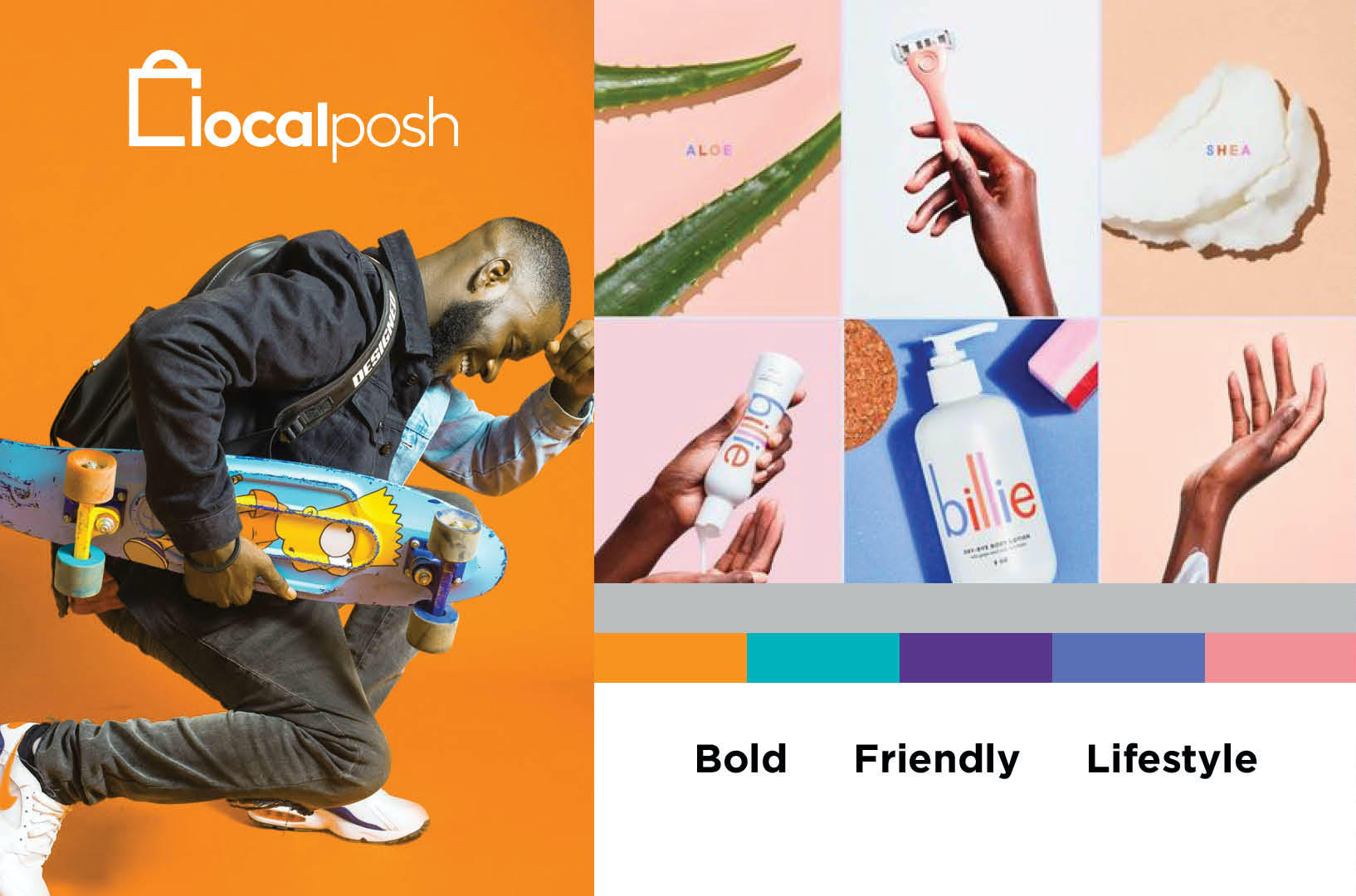
The style guide outlined the visual components for the brand, including typography, colors, and layout. I took the time to analyze the examples provided to break down what made them successful.
While they had made considerations for mobile, they didn’t have any formal reference for how they were designing for mobile. I began building the webpages from mobile to define breakpoints and outline how content would resize.
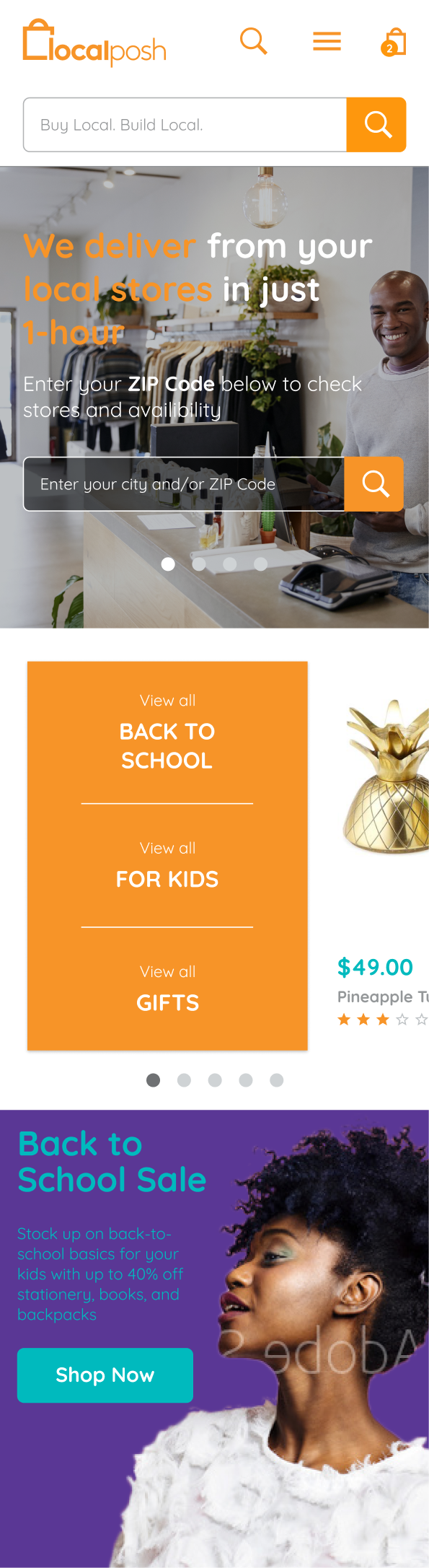
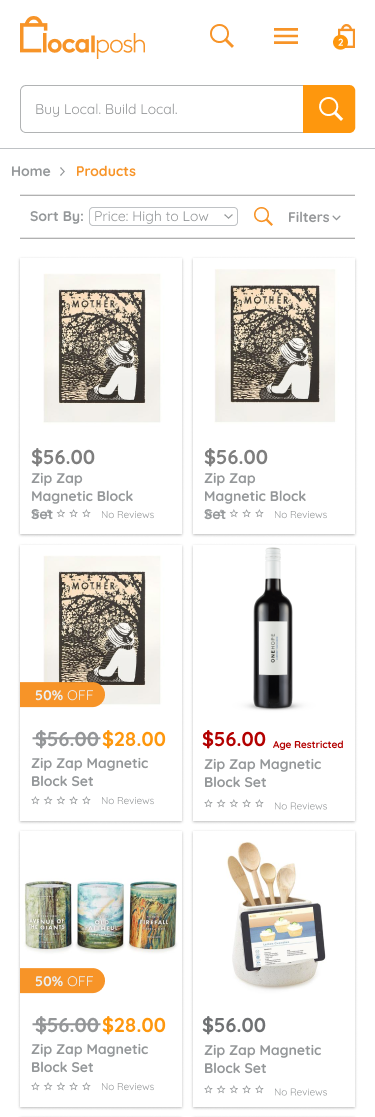
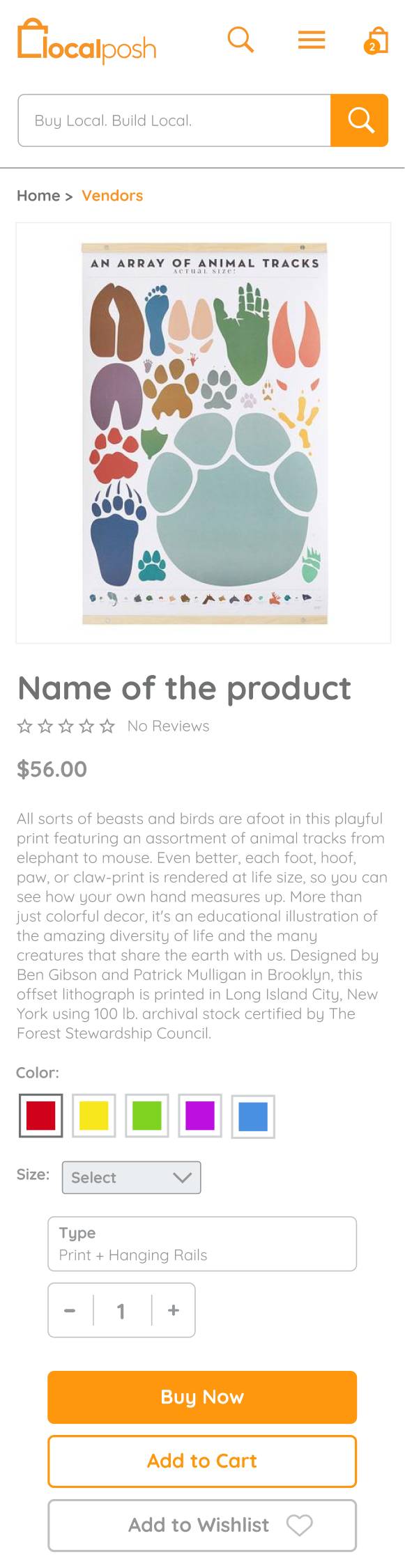
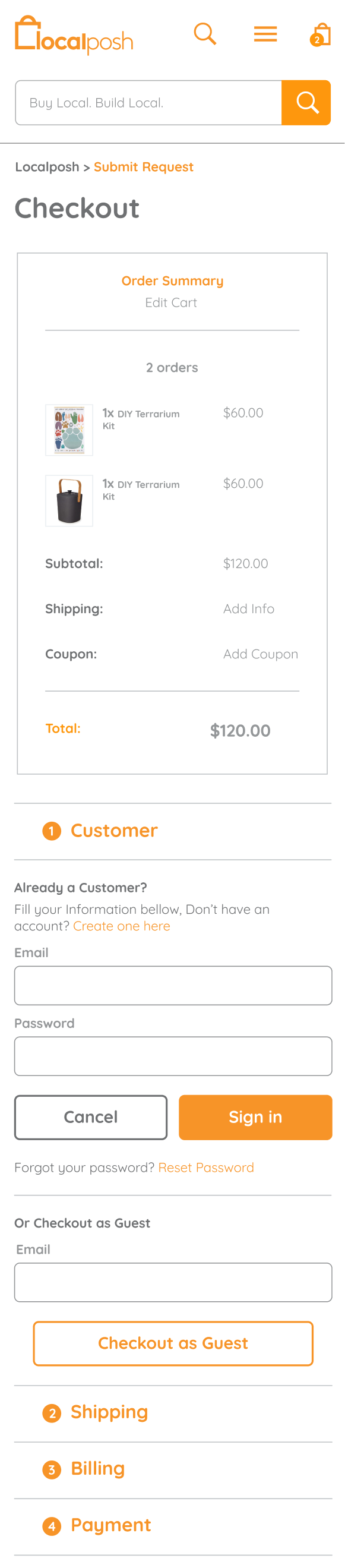
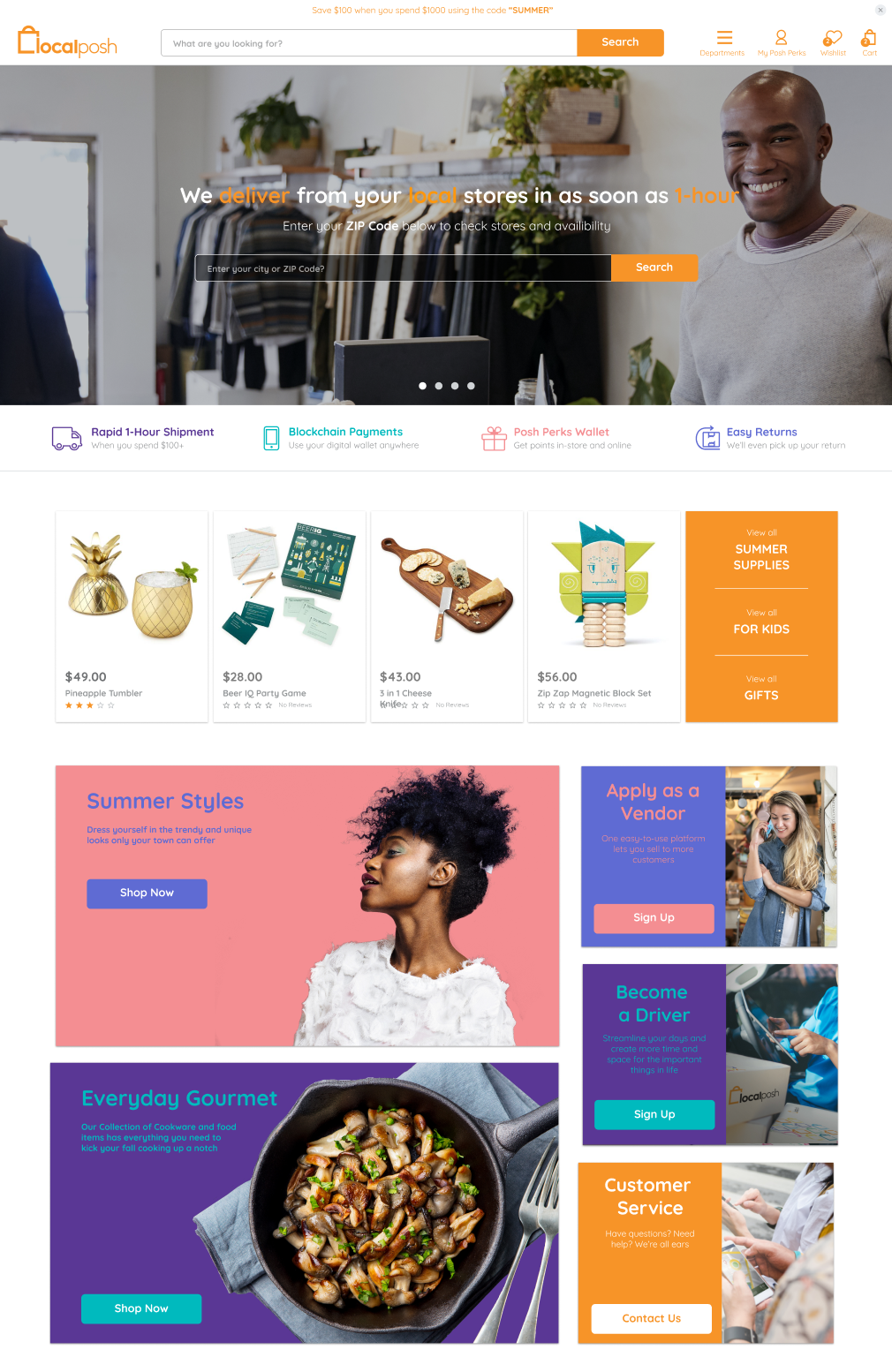
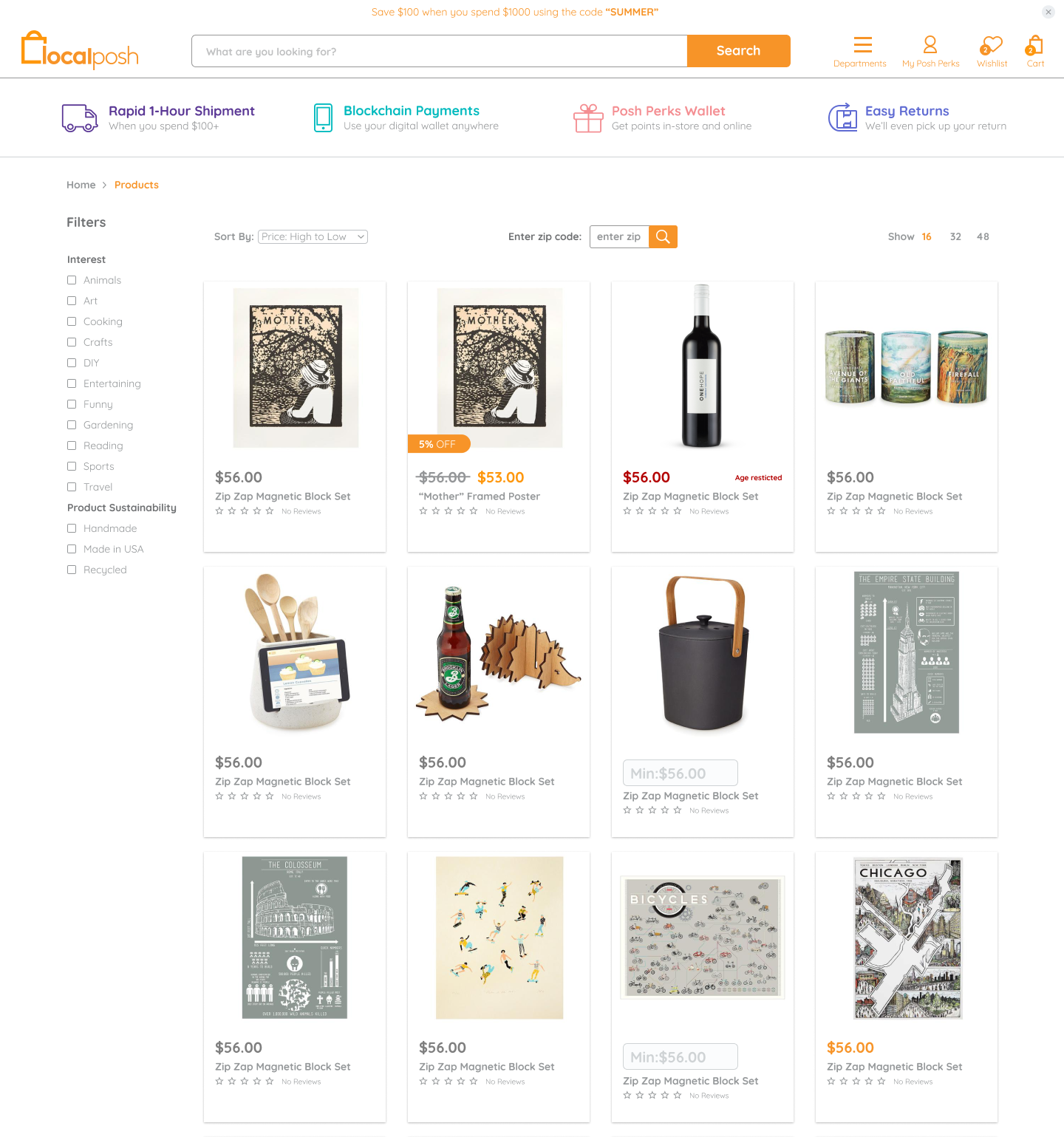
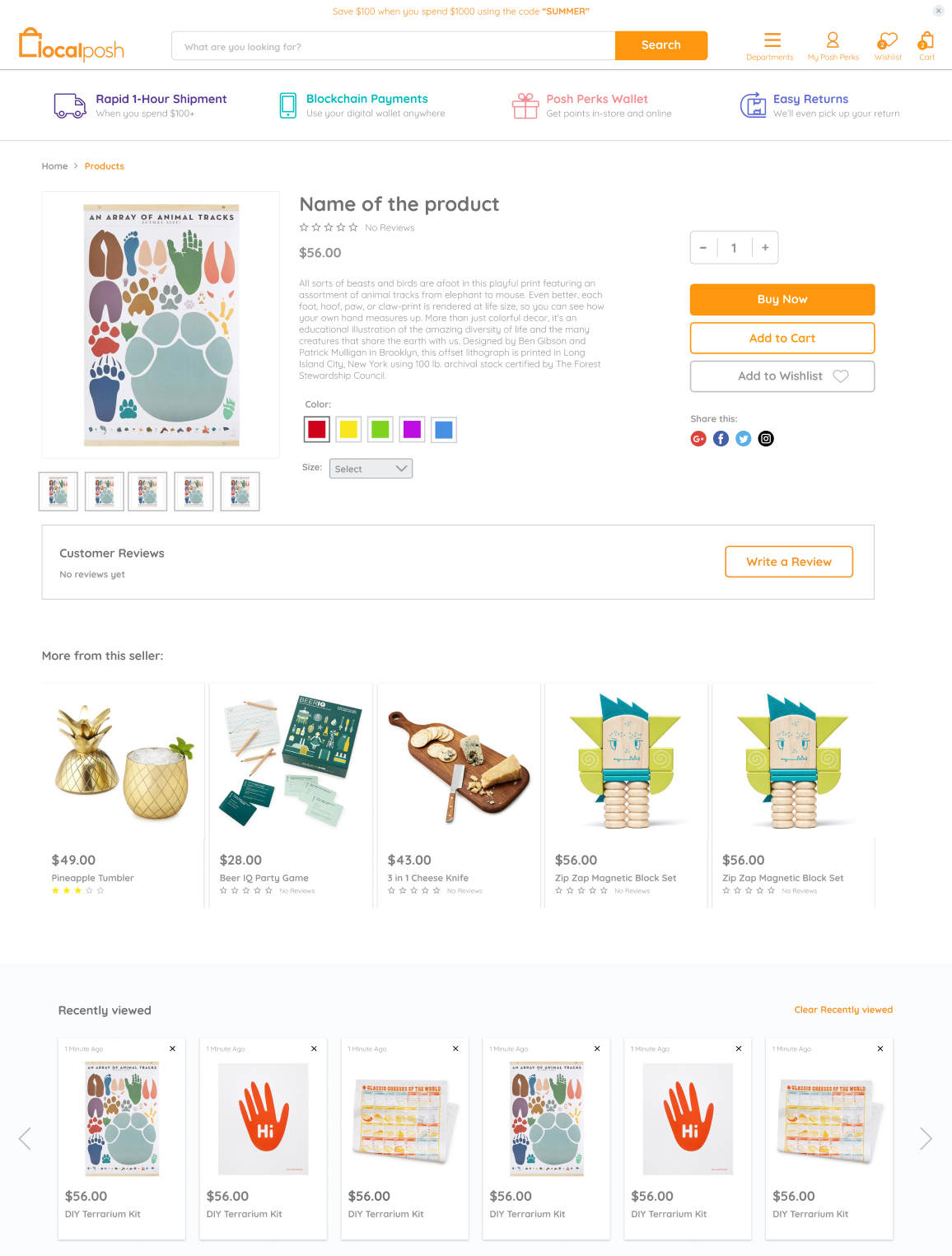
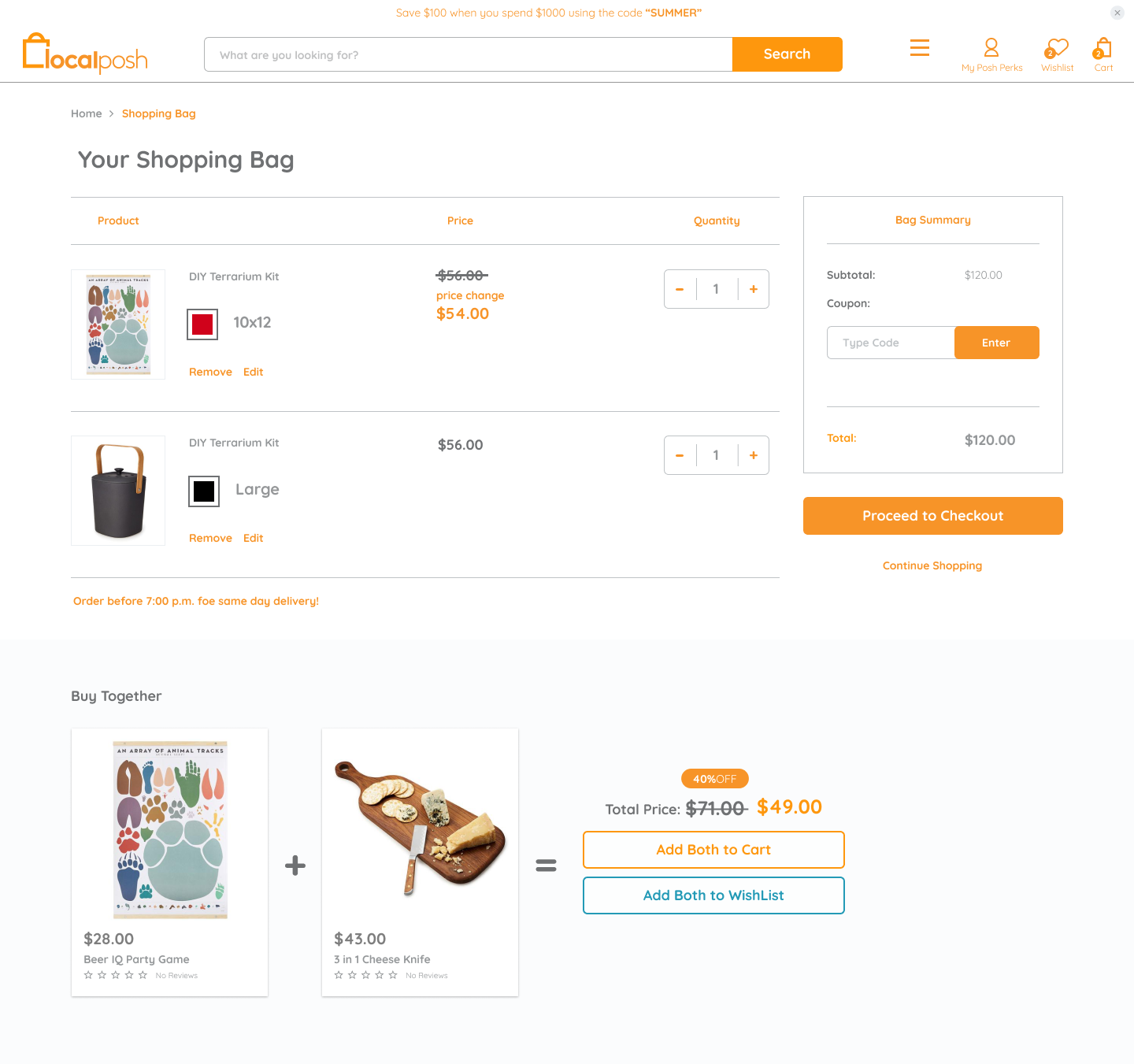
I had to do some research on usage guidelines for payment processors like Stripe, which would be our main payment method. Before I dove into designing these pages, I took a look at some of our competitors, Uniqlo and Amazon to see how they offer convenient checkout to customers
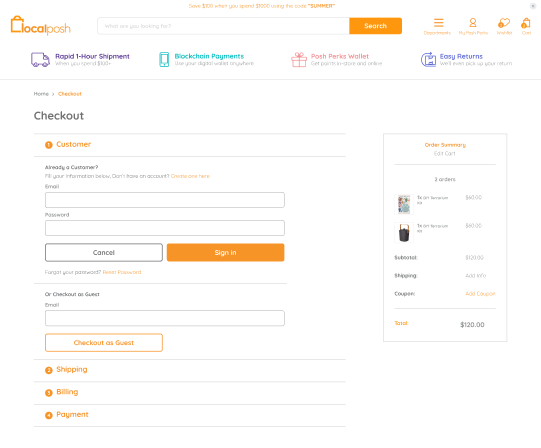
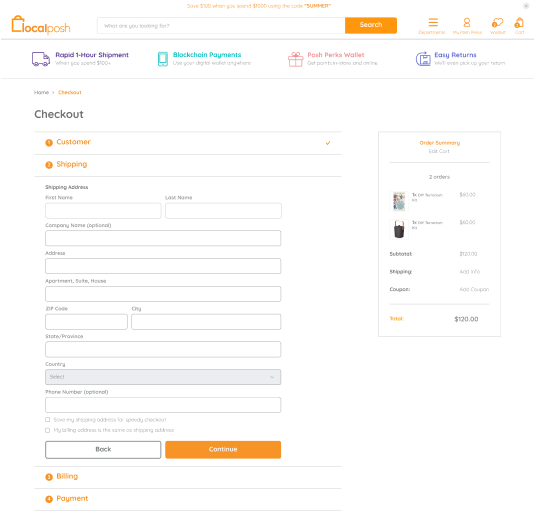
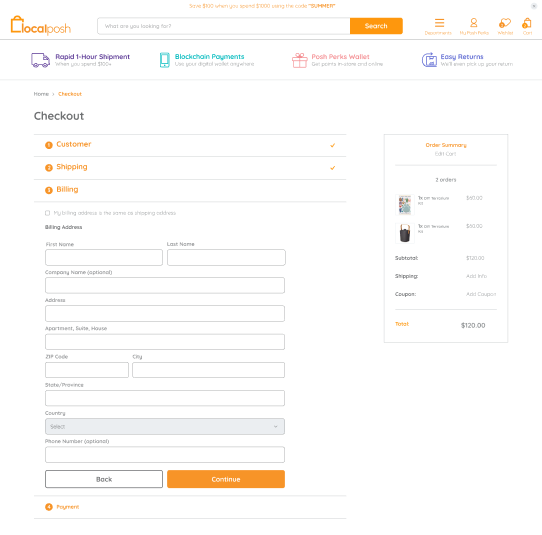
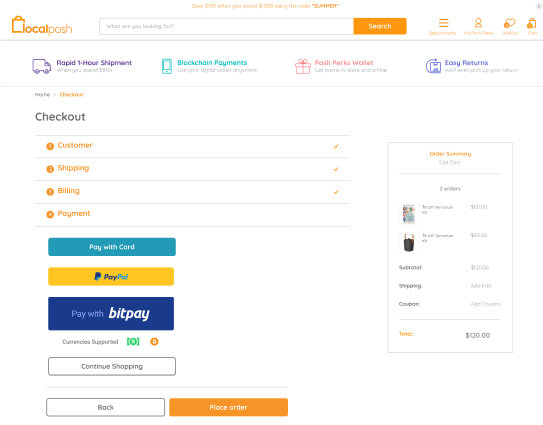
At the time the team and I agreed that offering the ability to checkout as a guest would be beneficial to new users who wanted to try our service.
The checkout flow was designed as collapsing forms to maximize usable space on mobile, and also maintain user focus as they proceed through the checkout flow.
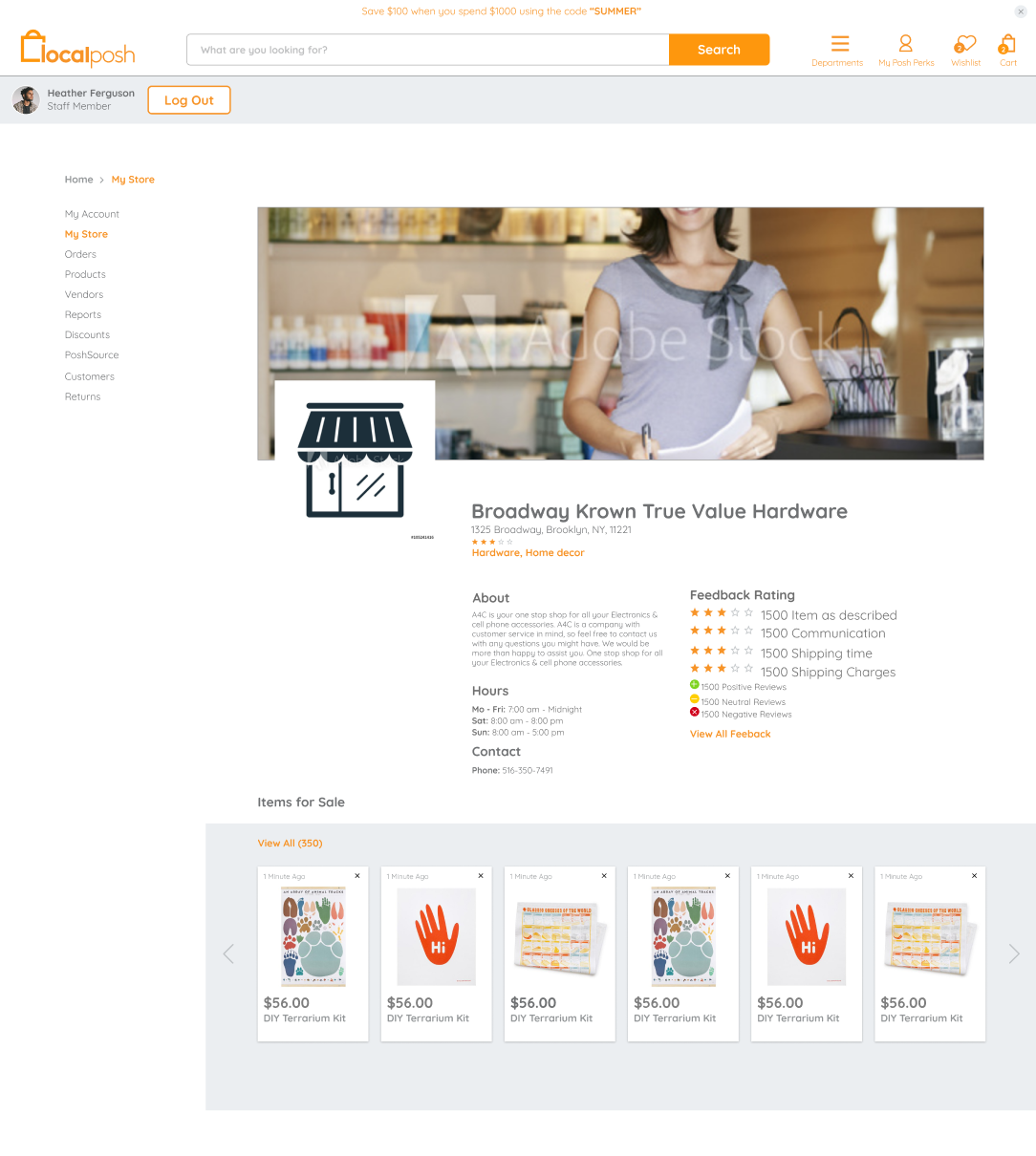
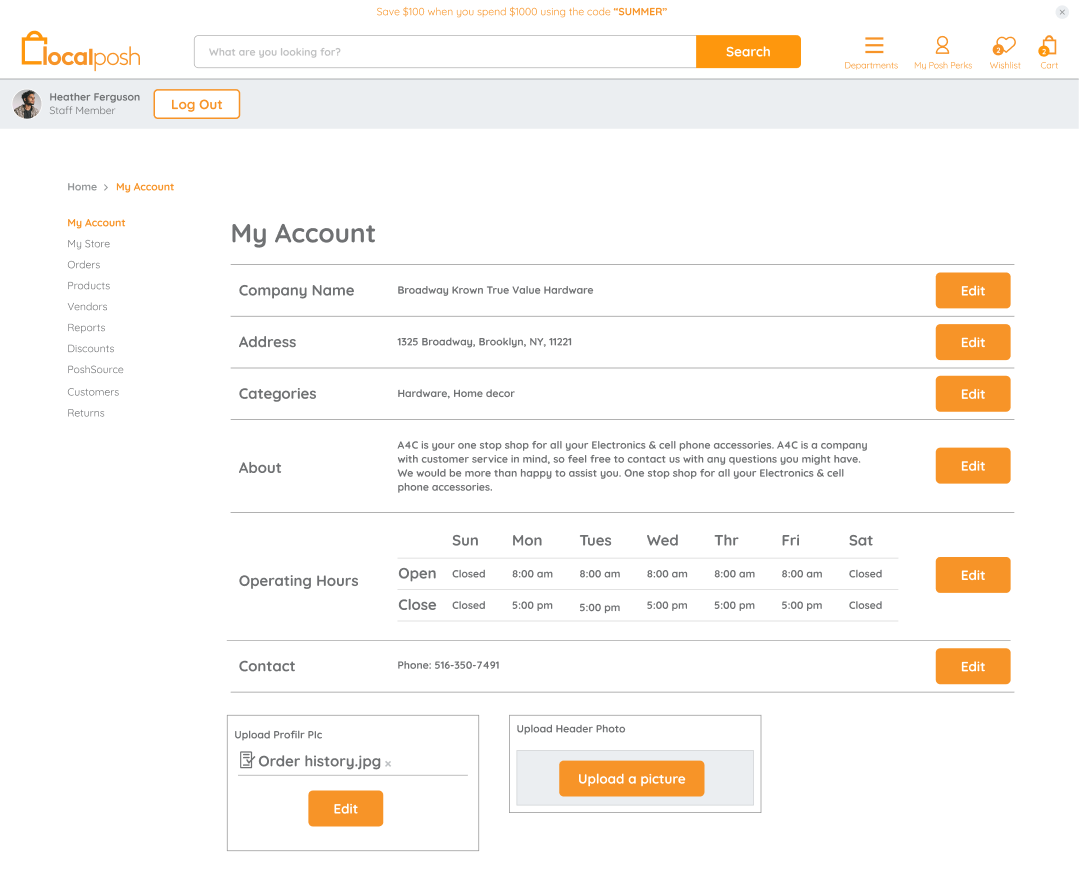
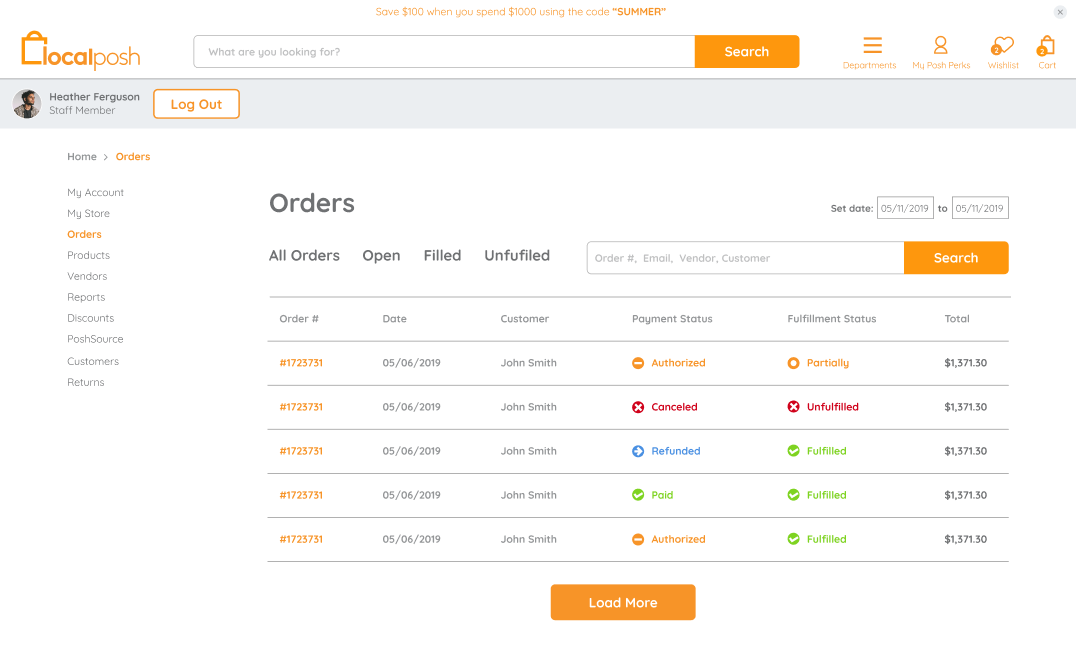
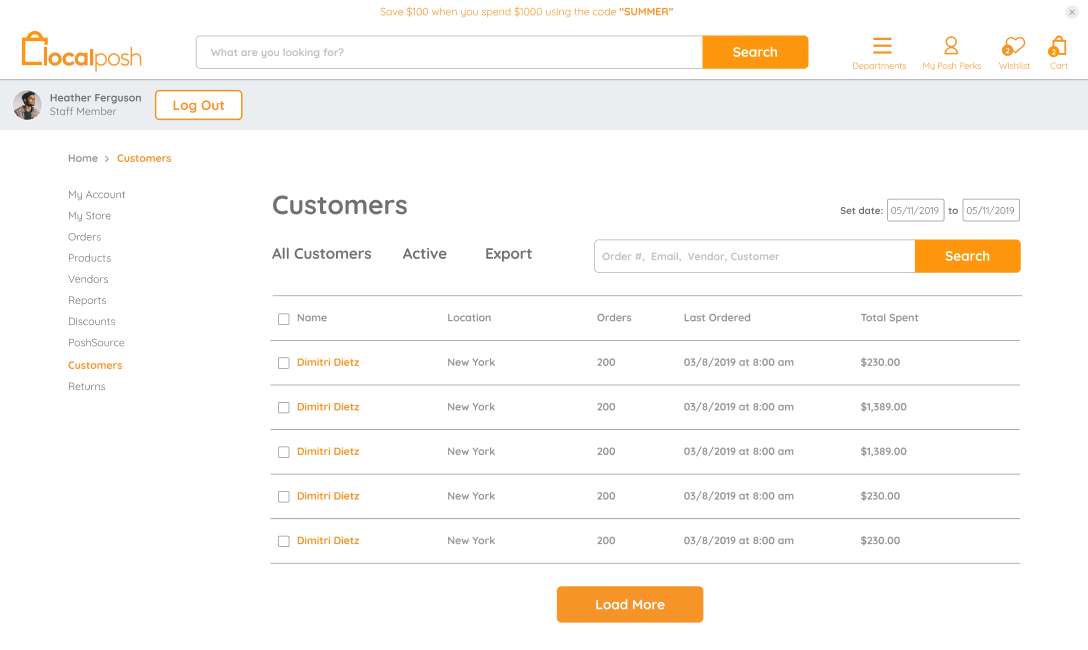
Vendors need a way to manage their digital shops and product offerings. This was one of the most complex areas to work on. We didn’t have the budget or time, to conduct extensive usability tests, so I looked to the research and design of Shopify and Amazon to gain insights to inform our decisions.
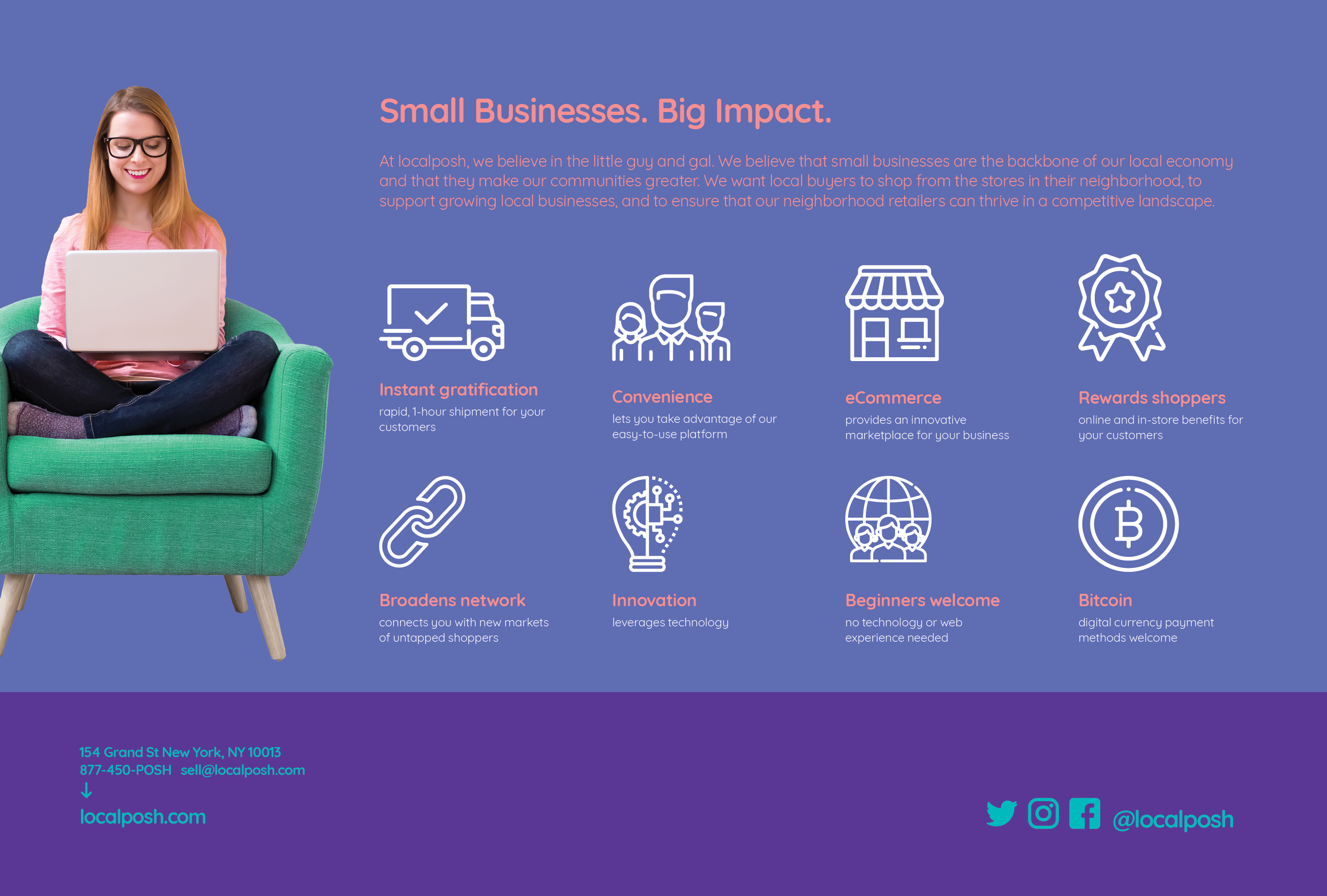
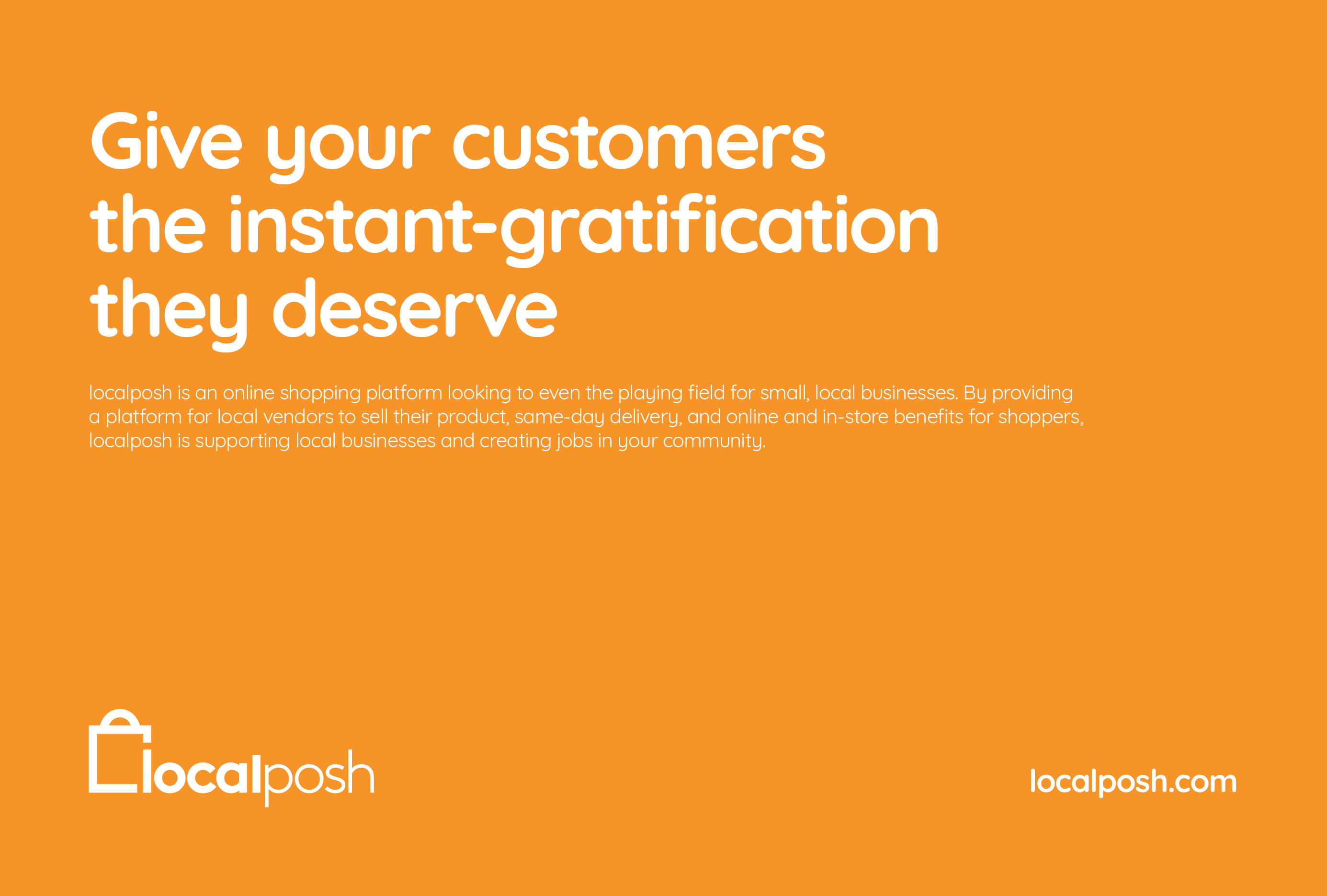
As the primary designer at this stage, I was also tasked with creating print marketing materials to invite vendors and potential employees to join the team.
I learned to lean on my team while I was a part of this project. They provided insights, reminded me of constraints, and filled the gaps in my knowledge to make a project like this possible.
The interviews I conducted gave me strong direction and insights to apply to my designs.
When I joined the team, I expected to be doing plenty of research, and user testing. Due to constraints, I had to utilize secondary sources and competitive analysis to find information to defend my design decisions. I had to compromise what I thought would be the best decision, because we didn’t have the capabilities to execute on certain solutions, so it was essential for me to work closely with the team.
The final leg of this project was to have a separate company handle our front end development. This was a major challenge because of time zone differences, language barriers, and expectations. I packaged the final designs to be developed, and I was responsible for testing their work, and submitting edits.
